How to Market an Audiobook: A Producer's Launch Plan for Indie Authors
Alek Karp
Co-founder
Share this article
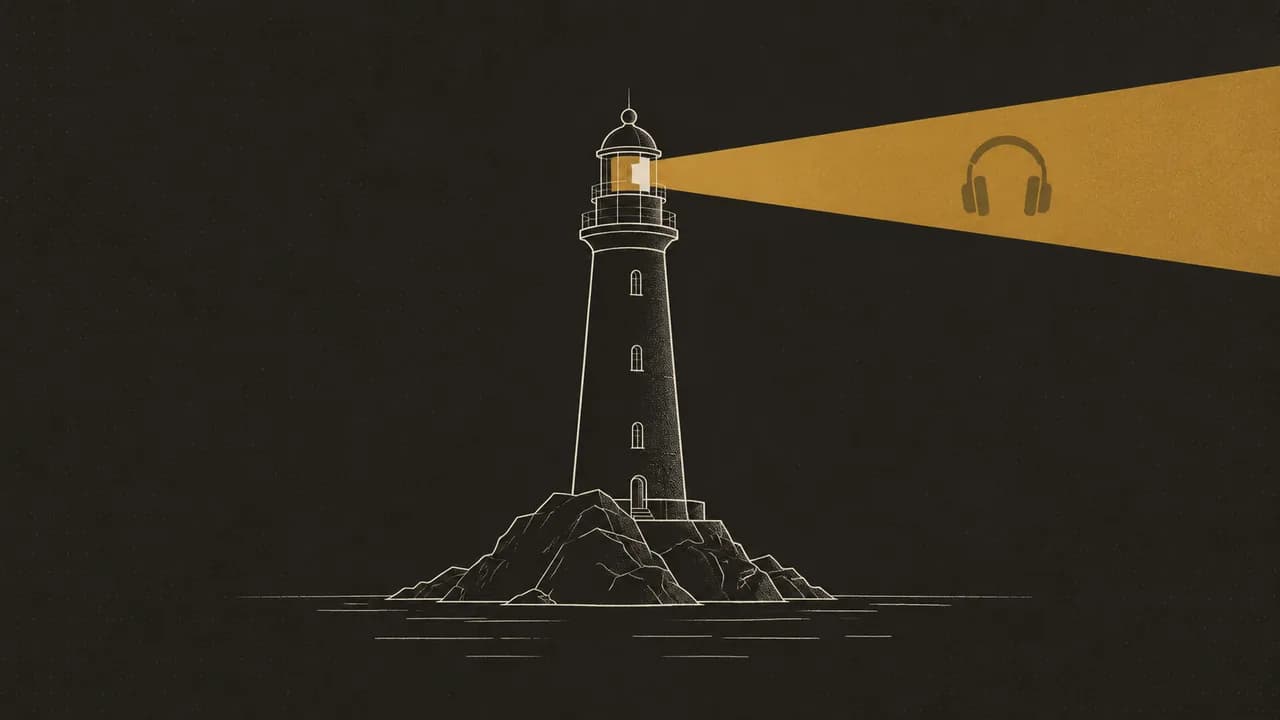
How to market an audiobook in order: fix the listing, choose your shelves, tell your readers, post clips, collect reviews, and pay for reach last.
Introduction
The audiobook is finished. Mastered and uploaded. Listeners still have to find it, and that part is now your job.
This guide is for indie authors with a new audio edition or a backlist title just turned into audio. It covers how to market an audiobook in the order that pays off. Fix the listing, pick your shelves, promote to readers you already have, then pay for reach.
Competition is why the order matters. The Audio Publishers Association's APA 2026 sales survey puts 2025 US audiobook revenue at $2.43 billion, up 9% over the year before. Publishers also reported over 750,000 active titles, up 43%, so more books now compete for each listener.
We produce audiobooks for a living, so this plan starts where we start. The selling begins in the files, well before anyone posts on social media.
How Audiobook Marketing Differs From Print
To market an audiobook, build a store listing that sells on its own and put it on every store your readers use. That listing needs a mid-scene retail sample, a square cover, accurate metadata, and a plain AI-narration disclosure where stores ask. Then tell your existing readers, post clips, gather reviews, and buy ads only after the listing converts.
Marketing is the passive part: a listing that gets found and converts with no push from you. Promotion is the time-bound push, like a launch email or a deal week. Both draw on a large pool: Edison Research listener data shows 58% of US adults have ever listened to an audiobook, about 157 million people.
The Listing Is the Pitch
Print readers judge a book by its cover and its first page. Listeners judge by ear, so the retail sample does the selling. Covers are square, and the shelf is wider than one store: Audible plus Spotify, Apple Books, Google Play, Kobo, and the libraries.
Listed is not the same as listened to. The sample is the ad, and the rest of the listing either supports it or gets in its way. Set each piece before you promote anything:
- Description: Lead with genre and hook in the first two lines. Don't bury the premise under praise or backstory.
- Categories: Pick the narrowest accurate categories first, then broader ones.
- Keywords: Match how readers search, such as series name and tropes. Repeat the series name for book 2 and beyond.
- Retail sample: Keep it under 300 seconds, the limit stores check per our file-specs guide. Start mid-scene, loud enough for phone speakers.
- Cover: Use a square 2400×2400 image with no borders or thin frames, the specs stores check per our file-specs guide. Make sure it reads at thumbnail size.
- One product page: Match title, subtitle, author and series across formats so Amazon can link the audio edition automatically when metadata matches, per Amazon KDP's format-linking help. Then claim every edition on your Author Central page.
- AI disclosure: Set it plainly wherever the store asks. Unclear listings get rejected, and reviewers notice.
- Title and subtitle: Match the ebook unless the audio edition differs, so readers recognize the book across formats.
When links go live, check each store page before you send a single email. Play the sample start to finish on a phone, and confirm the cover isn't cropped or blurry. Make sure the series link and the AI flag show where they should.
Technical misses can kill a launch before any marketing starts. Our audiobook file specs guide lists the specs we check before submitting.
Step-by-Step: How to Promote Your Audiobook
Order matters. Free channels to warm readers come first, because they cost nothing and teach you whether the listing converts. Paid reach comes last, once you know a click turns into a sale.
Here is the full sequence at a glance. Each row shows what the step costs and what it does best.
| Step | Cost | Best for |
|---|---|---|
| 1. Choose your shelves | Each store's share of a sale | Reach across stores and libraries |
| 2. Tell your readers | Free | First sales and early reviews |
| 3. Clips, audiograms, trailer | Your time | Social posts and video |
| 4. Work with your narrator | Free | A second fanbase |
| 5. Get reviews | Review copies | Social proof on the listing |
| 6. Podcasts, BookTube, local media | Free | New listeners in your genre |
| 7. Paid reach | Ad budget; streaming TV from $500 in media | Scaling a listing that converts |
Step 1: Choose Your Shelves Before Launch
Wide versus Audible-only is a marketing decision as much as a royalty one. Each store is a separate discovery surface, with its own search and recommendations. A shelf you are not on cannot sell.
Spotify is the clearest example. Spotify reports that monthly audiobook listeners grew nearly 40% and listening hours rose more than 30% over the past year (Spotify audiobook listener growth). Those are global figures, not US-specific.
Libraries are the other shelf authors skip. OverDrive reports 315.9 million audiobooks borrowed across its global network in 2025, up 13% (OverDrive 2025 lending records). A borrower who finishes book one is a prospect for book two.
Going wide also changes what you earn per sale. Here is what the two direct stores and the partner stores pay:
- Audible / Amazon: 30% of the sale price, Audible's non-exclusive rate since May 2026 (25% before). Audible sets the price.
- Spotify: 50% of the price you set on à la carte sales.
- Google Play, Apple Books, and Kobo: Wide-store estimate of about 42% of list on Google Play and about 36% on Apple Books and Kobo. That is what you receive after the distribution partner's 20% share.
One catch on the wide side. Apple reviews third-party AI audio title by title and may decline. Lex submits and reports either way, and the rest of the shelf can still go live.
Exclusivity is the other half of the decision. With Lex's done-for-you wide distribution, listings are non-exclusive, and any store can be pulled on 30 days' notice. You can test a shelf without locking yourself in.
Step 2: Tell the Readers You Already Have
Your ebook readers are the cheapest audio audience you will ever get. They already know your name and your series. Some won't know the audio exists until you tell them.
Email comes first. In the Authors Guild income survey, authors ranked email newsletters among their top three most effective marketing channels. That ranking covers general book marketing and reflects authors' own view, so treat it as a starting point for audio.
Keep the audio message simple. Repeat it in every place a reader already looks:
- Launch note: Send one short email that says the audio is out and links to the sample.
- Autoresponder email: Add a dedicated audio email to your welcome sequence so new subscribers hear about it.
- Audio segment: Tag subscribers who click audio links. Send them the next audio release first.
- Back matter: Mention the audio edition in the back of your next ebook.
- Footer link: Put the audio link in every email footer.
A launch note can be four lines long. Here is the shape:
- Subject: Book one is now on audio
- One sentence on who narrated it and how it sounds
- A link to the retail sample
- One link per store, using each retailer's share URL
The segment pays off later. Once you know which readers click audio, every future launch starts with a warm list.
Step 3: Cut Clips, Audiograms, and a Trailer
Readers on social feeds need to hear the book before they click. Post 30 to 60 seconds from the retail sample, since that is the passage you already chose to sell the book.
Link each post to the store page with that retailer's native share URL, so clicks count on the platform. Save those URLs at launch, since you will reuse them in every email and post.
An audiogram is a static image, a short clip, and a moving waveform in one video file. Headliner generates waveform audiograms with Headliner's audiogram tool. Canva offers audiogram-style templates in its Canva audiogram templates gallery.
Put the square cover in every asset, because the square shape tells viewers they are looking at audio.
A trailer works for YouTube and longer social posts. If your production is scored, music and sound effects already sit under the voice, so the clip plays like a trailer.
Tag every post so listeners can find it. Use hashtags they already follow, such as:
- #audiobook
- #audiobooktok
Step 4: Work With Your Narrator (or Your Own Voice)
Human narrators have their own fanbases. Tag them in every post and ask if they will share a teaser or do a live reading. A narrator's audience follows the voice, so their share reaches listeners you can't reach alone.
If you narrated with a clone of your own voice, you are the narrator. Read the opening live on video and share the clip next to the audiobook version. A cloned voice is a private model used only for its book, so the audio stays yours.
With an AI narrator, credit the production and disclose it plainly. Put it in the listing and in your post copy. Honest disclosure is part of the pitch, never fine print.
Step 5: Get Reviews Without Spamming
Reviews sit on the listing and do their work every time someone browses. In Pew online reviews research, Pew Research Center found 82% of US adults at least sometimes read reviews before a first purchase. That 2016 report covers general consumer products rather than audiobooks, so read it as background.
Review copies need to reach people who listen. Use the routes your distribution allows:
- Promo codes: Use them where your distribution route offers them. Availability depends on the route, so confirm before you promise any.
- ARC listener team: Recruit listeners for advance copies. They are often different people from your ebook ARC readers.
- Giveaways: Offer copies to your list or a reader group in exchange for honest feedback.
- Review blogs and sites: Pitch audiobook review blogs that cover your genre.
Don't spam review requests. Amazon's KDP customer reviews policy allows free or discounted copies as long as you do not require a review or try to influence it. Other stores set their own rules, and our advice is to ask once, since readers tune out repeated asks.
Read the reviews you get for patterns, not as a score to defend. Genre confusion means fix the blurb, and complaints about the sample mean recut it if the store allows. If a store lets you respond, thank the reviewer briefly and never argue about taste.
Step 6: Pitch Podcasts, BookTube, and Local Media
Podcasts are a free way to reach readers outside your list. Match the show's genre to your readership: a cozy mystery author should pitch cozy mystery podcasts before general writing shows. Interviews and shout-outs cost nothing but your time.
Make the pitch easy to say yes to. Offer the host a 30-second clip they can play on air, and give them one store link to read out. Ask for a shout-out at minimum if a full interview isn't open.
BookTube channels work the same way. Pitch reviewers who already cover your genre and offer a review copy. Local media, such as a hometown paper or a library newsletter, is another free pitch.
At events, bring a QR code that opens the audiobook page. A signed paperback sells one book; a QR code on the table can sell the audio edition after the reader gets home.
Step 7: Pay for Reach Once the Listing Converts
Paid reach is the last stage of audiobook promotion, and it multiplies what the listing already does. Spend only after you have reviews and a sample that works, or you pay to send strangers to a page that doesn't convert. These are the main options:
- Amazon ads: Target readers browsing your genre and comparable titles on Amazon.
- Facebook and Instagram ads: Run your best clip or audiogram to readers of similar authors.
- BookBub ads: Reach readers who already signed up for book deals in your genre.
- Chirp deals: Run a limited-time deal on Chirp. BookBub adds a 10% royalty fee on featured deals, so a title on the standard 45% rate earns 35% of the deal price while the deal runs (Chirp featured deal fees).
- Streaming TV trailer ads: Put your trailer in ad breaks on streaming apps. Lex campaigns start at $500 in media.
TV ads build awareness. They put your cover and hook in front of many readers, but they do not guarantee sales, and we do not promise a number. If you want to test them, read about streaming TV trailer ads before you set a budget.
Price promotions need one rule: use one list price everywhere. As our guide on how to price your audiobook notes, Audible says it may lower your price to match another retailer. A cheaper listing elsewhere can drag your Audible price down, and the guide covers bands by length and store.
Edge Cases, Math, and Common Questions
Once the launch plan is set, the same questions about how to market an audiobook come up. Some indie authors report using series bundles and discounting the Whispersync-paired ebook to pull readers into audio. Draft2Digital lets authors add audiobook links to Books2Read universal book links by hand (Draft2Digital's audiobook link feature), so update each one.
Launch week is not the finish line, so plan the next book in the series and send one email per backlist title. Our guide on where to sell an audiobook covers refreshing metadata after launch.
Production cost decides how much budget is left for marketing. The Voiceover pack is $49 one-time, 10 finished hours included, while a human-narrated 75,000-word novel costs $2,400 to $5,850 (Lex production pricing).
How Do I Get Promotional Codes for My Audiobook?
Codes come from the route you distribute through, and some platforms issue a limited number once the title is live. Spend them on reviewers and giveaways, and confirm what your route offers before you plan around them.
Should I Go Exclusive With Audible or Distribute Wide?
Wide adds Spotify, Apple Books, Google Play, Kobo, and the libraries, and Audible non-exclusive pays 30% of the sale price. ACX does not accept externally produced AI narration, so AI-narrated books go wide; here is the exclusive vs. wide math.
What Is an Audiogram?
An audiogram is a short video that pairs a static image, usually your square cover, with a clip of the audiobook and an animated waveform.
How Can I Convert Ebook Readers Into Listeners?
Mention the audio edition in your ebook back matter and email the subscribers who click audio links. Some indie authors report discounting the Whispersync-paired ebook to pull readers into the audio.
Do I Need to Be Active on Social Media to Sell Audiobooks?
No. Your email list and store listing do more of the selling, and social is a repeat of the same message with a sample link.
How Much Does an Author Make Per Audiobook?
Spotify pays 50% of the price you set, and Audible pays 30% non-exclusive. Google Play pays 52% of list, Apple Books 45%, and Kobo 45% at $2.99 and up. That is what the store pays out, before the partner's 20% of net, so through a distribution partner the author receives 80% of net.
Summary
Knowing how to market an audiobook comes down to order. Each step makes the next one cheaper:
- Fix the listing: A mid-scene sample under 300 seconds, a square cover, accurate metadata, and plain disclosure.
- Go where listeners are: List on Audible, Spotify, Apple Books, Google Play, Kobo, and the libraries.
- Tell your readers: Email your list and put the audio link in your next ebook's back matter.
- Add clips and reviews: Post sample clips with native share links, and get review copies to listeners.
- Pay last: Buy ads only once the listing converts, and keep one list price everywhere.
Start this week with the listing. Play your retail sample on a phone speaker and check where it starts. Then read your description's first two lines as a stranger would, and fix whatever you would skip.
Hear your first chapter free
Send the manuscript. We cast, direct, and score the opening and send it back in about a day. No card, yours to keep.
More to read
Audiobook Pronunciation Guide for Narrators: What to Include and How to Write It
How to write an audiobook pronunciation guide for narrators: what to list, respellings that read at speed, and how to check the audio.
How to Make a Full Cast Audiobook With AI Voices
How to make a full cast audiobook with AI voices: tag every speaker, cast stable voices, direct scene by scene, master to spec, and disclose AI narration.